
The Real Cost of Skipping Grooming Appointments
When life gets busy, it's easy to push a grooming appointment back a few weeks—or even a few months. After all, if your dog seems happy and healthy, missing a grooming session doesn't feel like a big deal.
Unfortunately, the consequences of skipped grooming appointments often extend far beyond a shaggy appearance. What many pet owners don't realize is that regular grooming plays an important role in their pet's comfort, health, and overall well-being.
In many cases, delaying grooming can lead to physical discomfort, costly veterinary bills, and behavioral issues that could have been avoided with routine care.
Grooming Is More Than a Haircut
Many people think of grooming as a cosmetic service, but professional grooming is actually preventative care.
A groomer doesn't just bathe and trim your pet's coat. They also monitor the condition of the skin, ears, nails, teeth, and overall coat health. During regular appointments, groomers often notice changes that owners may miss, including:
Skin irritation
Ear infections
Lumps and bumps
Parasites
Nail problems
Hot spots
Coat matting
When appointments are skipped, these issues can go unnoticed and worsen over time.
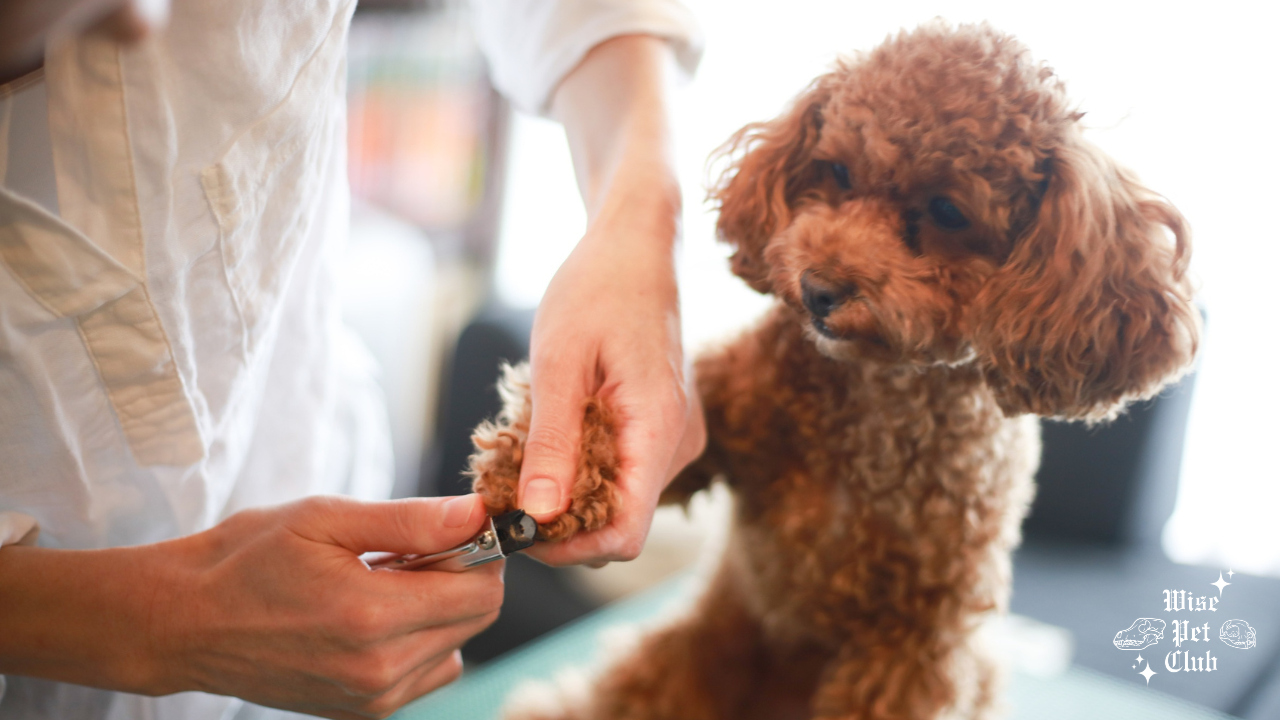
Mats Can Become a Serious Health Problem
One of the most common consequences of missed grooming appointments is matting.
Many owners assume mats are simply tangled fur. In reality, severe mats can become extremely painful. As mats tighten, they pull on the skin and restrict airflow, creating an environment where moisture, bacteria, and irritation thrive.
Severe matting can lead to:
Skin infections
Bruising
Open sores
Restricted movement
Pain when walking or lying down
Hidden injuries beneath the coat
In some cases, the only humane solution is a complete shave-down, which can be stressful for both the pet and the owner.
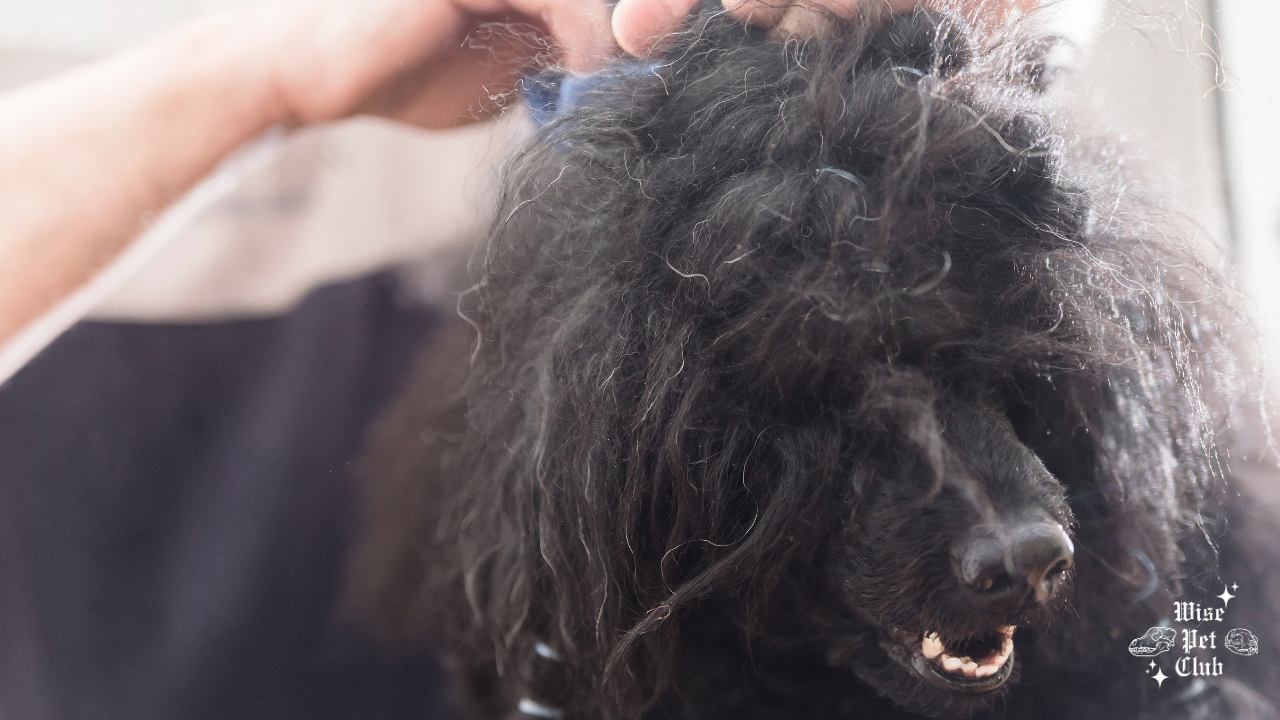
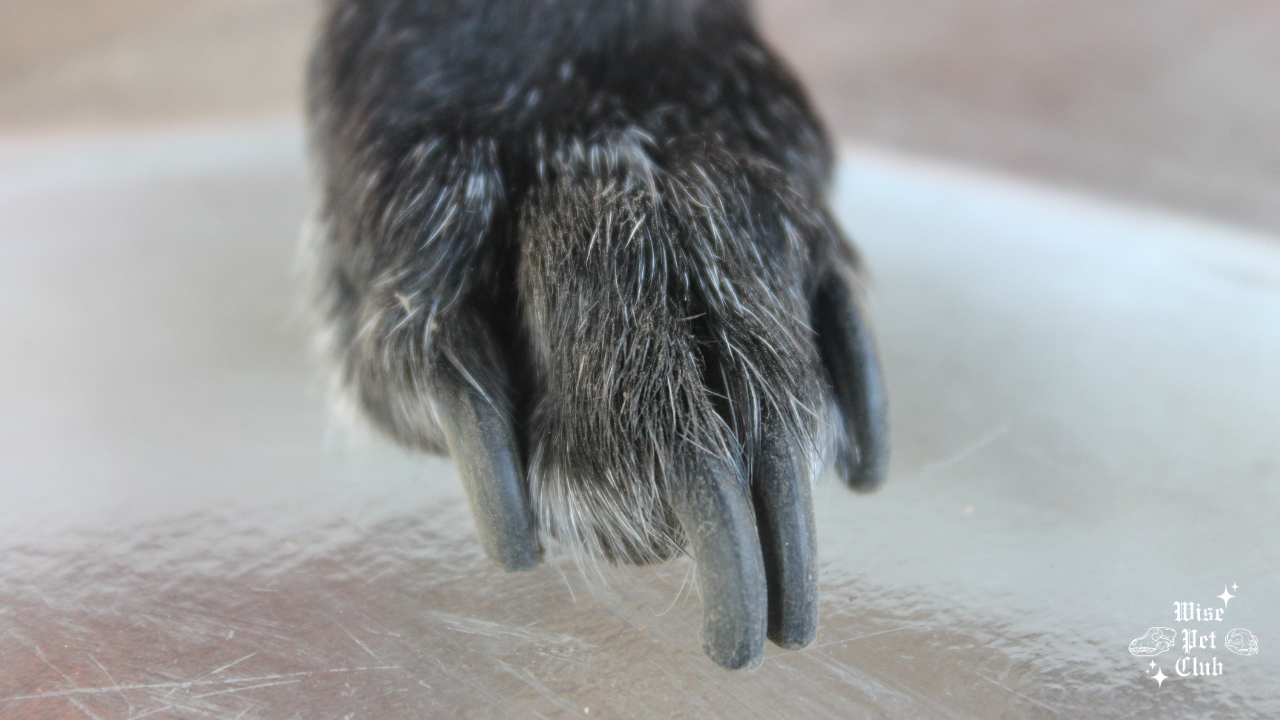
Overgrown Nails Affect More Than Paws
Nail maintenance is one of the most overlooked aspects of pet care.
When nails become too long, they can alter a dog's natural gait and posture. Over time, this may place unnecessary stress on joints, ligaments, and muscles.
Overgrown nails can also:
Crack or split
Curl into the paw pad
Causes pain while walking
Increase the risk of injury
What begins as a missed nail trim can eventually contribute to mobility issues and expensive veterinary treatment.
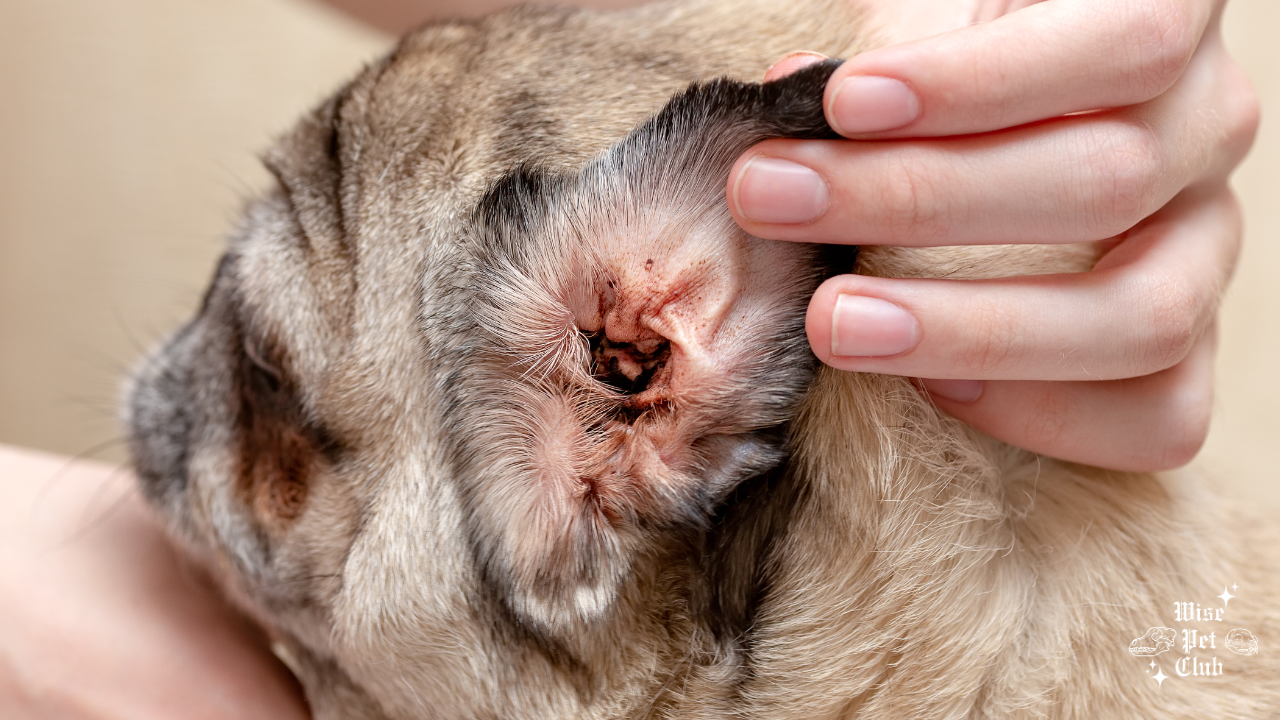
Ear Problems Often Develop Gradually
Many breeds are prone to ear issues, especially dogs with floppy ears or dense hair growth around the ear canal.
Regular grooming appointments provide opportunities to identify early signs of:
Excessive wax buildup
Inflammation
Moisture retention
Odor
Infection
Because ear problems often develop gradually, pet owners may not notice them until their dog is already uncomfortable.
Skipped Grooming Can Increase Stress
Routine matters to pets.
Dogs that are groomed consistently become familiar with the process. They learn that bathing, brushing, nail trims, and handling are normal experiences.
When appointments are delayed for extended periods, grooming sessions often become longer and more uncomfortable. This can create anxiety and make future appointments more challenging.
Regular grooming helps maintain positive associations and reduces stress for everyone involved.
The Financial Cost Can Add Up Quickly
Many owners skip grooming appointments to save money.
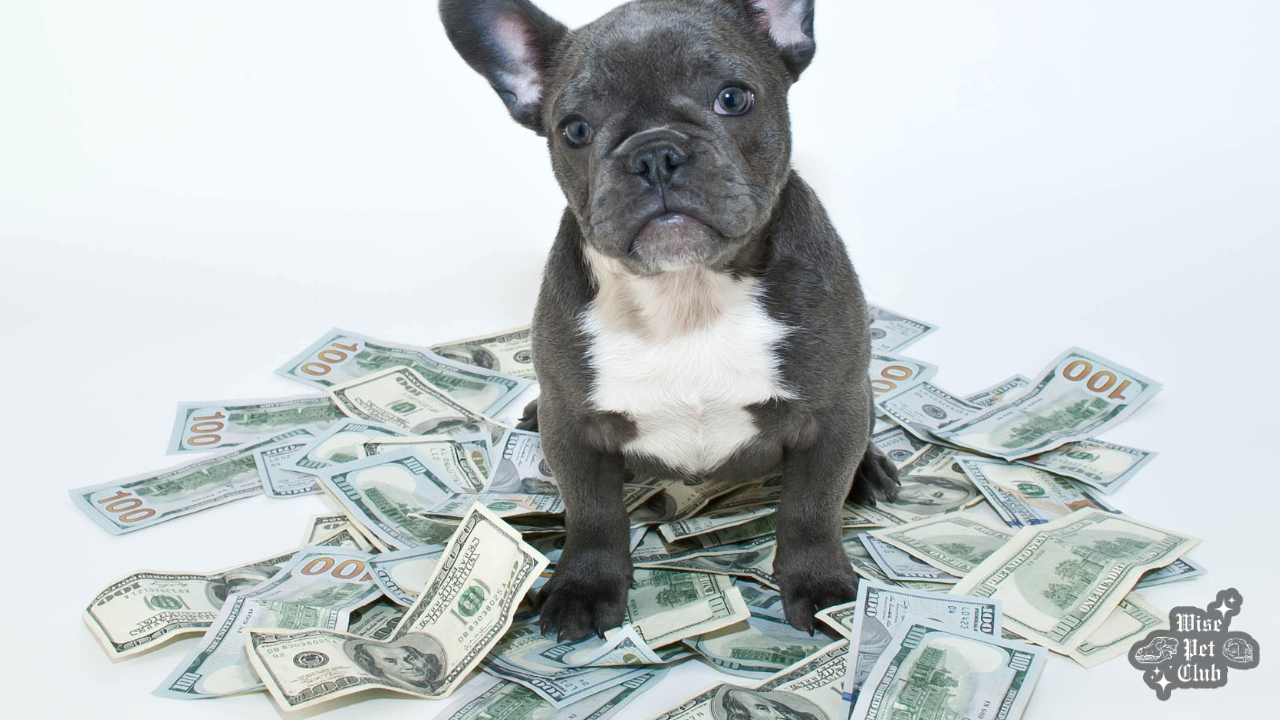
Ironically, delaying routine grooming often results in higher costs later.
Additional charges may be necessary for:
Severe mat removal
Extended grooming sessions
Specialized coat restoration
Behavioral handling
Veterinary treatment related to preventable issues
A consistent grooming schedule is usually far more affordable than addressing the problems that arise from neglect.
Different Breeds Have Different Needs
Not all dogs require the same grooming schedule.
Breeds with continuously growing coats typically need more frequent maintenance than short-coated breeds. Dogs that spend significant time outdoors may also require additional attention.
Factors that influence grooming frequency include:
Breed
Coat type
Activity level
Age
Health status
Lifestyle
Working with a professional groomer can help determine the ideal schedule for your individual pet.
Signs Your Dog Is Overdue for Grooming
If you're unsure whether it's time for an appointment, watch for these common indicators:
Tangles or mats in the coat
Long nails clicking on hard floors
Strong odor between baths
Excessive shedding
Eye discharge trapped in facial hair
Hair covering the eyes
Ear odor or visible debris
Difficulty brushing at home
These signs often indicate that routine maintenance is overdue.
Prevention Is Easier Than Correction
One of the most important principles in pet care is that prevention is almost always easier, less expensive, and less stressful than correction.
Regular grooming helps keep your pet comfortable while allowing potential problems to be identified early. Instead of addressing severe matting, painful nails, or skin infections, you can prevent many of these issues from developing in the first place.
Skipping a grooming appointment may seem harmless, but the effects can accumulate quickly. What starts as a little extra fur or slightly longer nails can eventually impact your pet's comfort, health, and quality of life.
Professional grooming isn't simply about keeping your dog looking their best. It's an important part of responsible pet care that supports physical health, emotional well-being, and long-term comfort.
A consistent grooming schedule is one of the simplest investments you can make in your pet's overall health—and one they'll benefit from every single day.
