
Pet-Safe Houseplants: Beautiful Greenery for Homes with Dogs and Cats
Houseplants have become a staple of modern interior design. They add texture, color, and life to a space while improving the overall atmosphere of a room. For pet owners, however, decorating with plants requires a little extra consideration.
Many popular houseplants can be toxic to dogs and cats if chewed or ingested. Fortunately, there are plenty of beautiful, pet-safe alternatives that allow you to enjoy the benefits of indoor greenery without compromising your pet's safety.
If you're creating a stylish pet-friendly home, here's everything you need to know about choosing safe houseplants.
Why Plant Safety Matters:
Dogs and cats explore their environments in different ways.
Puppies often chew out of curiosity, while cats may nibble on leaves, dig in soil, or investigate hanging foliage. Even well-behaved pets occasionally sample a plant they shouldn't.
Symptoms of plant toxicity can include:
Vomiting
Diarrhea
Drooling
Lethargy
Difficulty breathing
Seizures
Choosing pet-safe plants eliminates one potential hazard and creates greater peace of mind.
The Best Pet-Safe Houseplants:
The good news is that many attractive indoor plants are considered non-toxic to both dogs and cats.
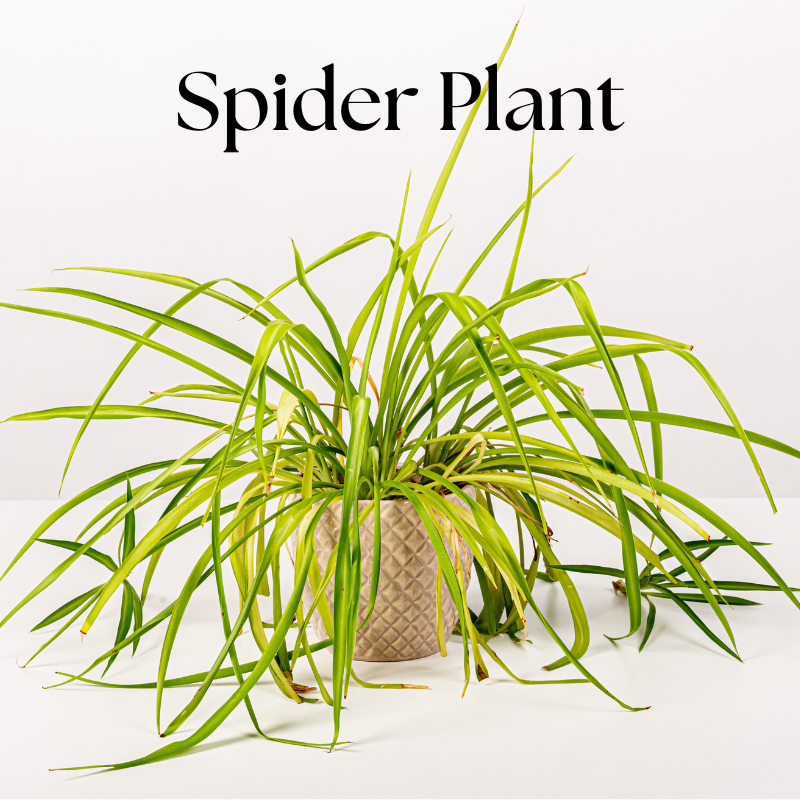
Spider Plant:
Spider plants are among the easiest houseplants to grow and are a favorite for beginner plant owners.
Why they're great:
Low maintenance
Adaptable to various lighting conditions
Fast-growing
Attractive arching foliage
Their playful shape works particularly well on shelves and plant stands.
Parlor Palm:
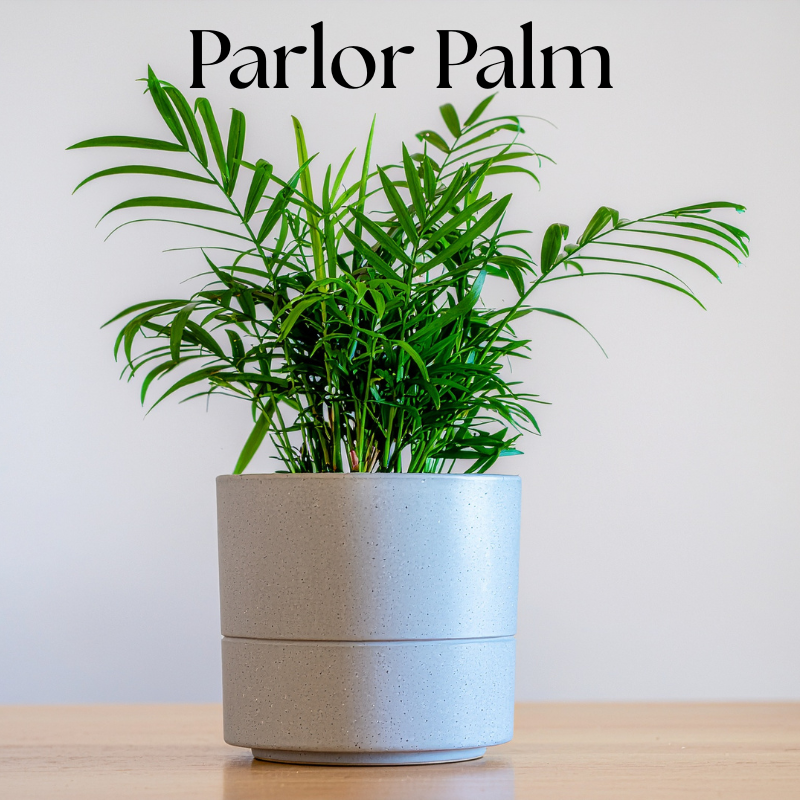
If you're looking to create a tropical feel, the parlor palm is an excellent option.
Benefits include:
Elegant appearance
Compact growth habit
Tolerance for lower light conditions
Pet-safe reputation
Its soft fronds add texture without overwhelming a space.
Areca Palm:
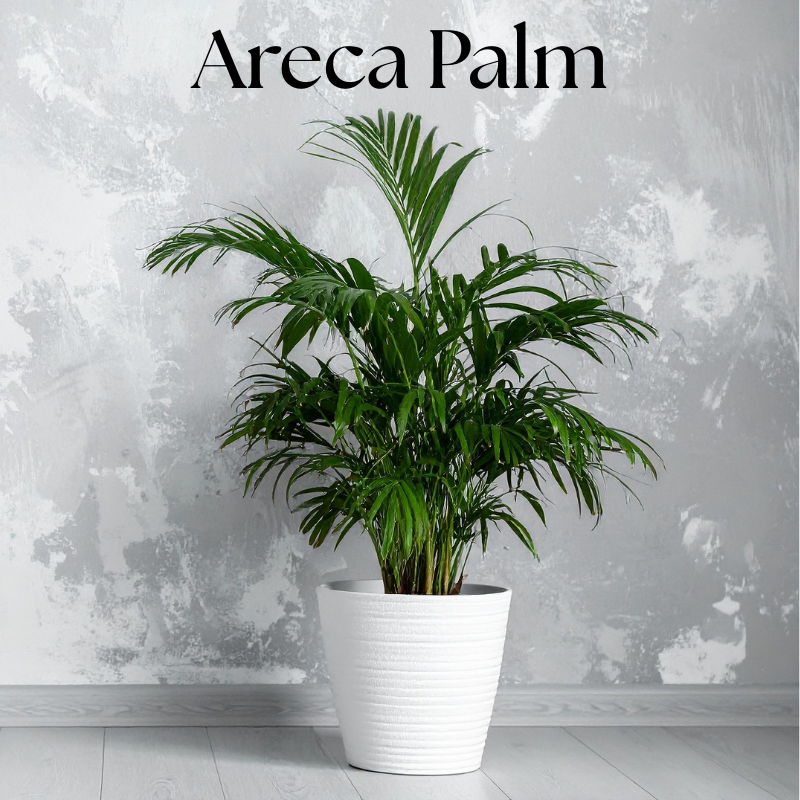
For homeowners who love larger statement plants, the areca palm provides impressive visual impact.
Design advantages:
Adds height to a room
Creates a resort-inspired atmosphere
Complements many decorating styles
Placed in a decorative planter, it can become a striking focal point.
Calathea:
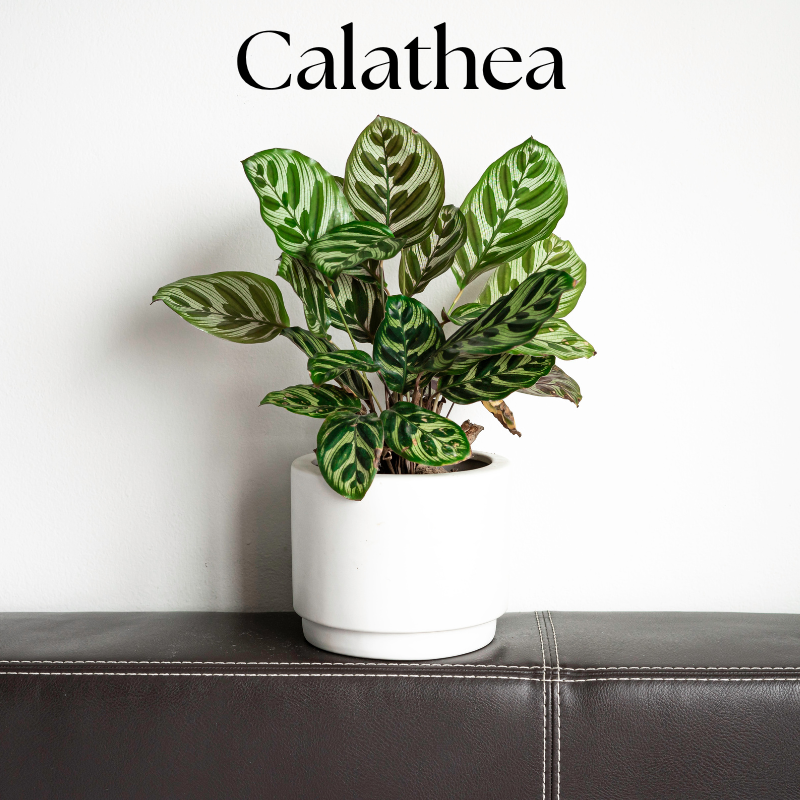
Calatheas are known for their beautifully patterned leaves and wide range of varieties.
Why designers love them:
Unique foliage
Bold visual interest
Excellent accent plant
These plants pair particularly well with contemporary and modern interiors.
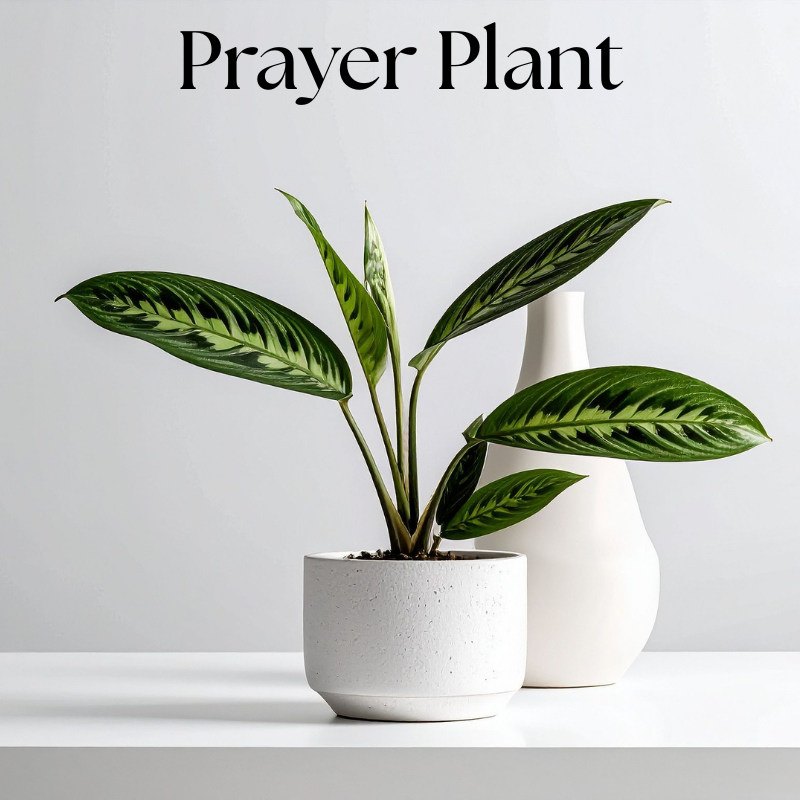
Prayer Plant:
Named for the way its leaves fold upward at night, the prayer plant offers both beauty and personality.
Features include:
Decorative leaf patterns
Compact size
Pet-safe status
Strong visual appeal
It's an excellent choice for tabletops and shelves.
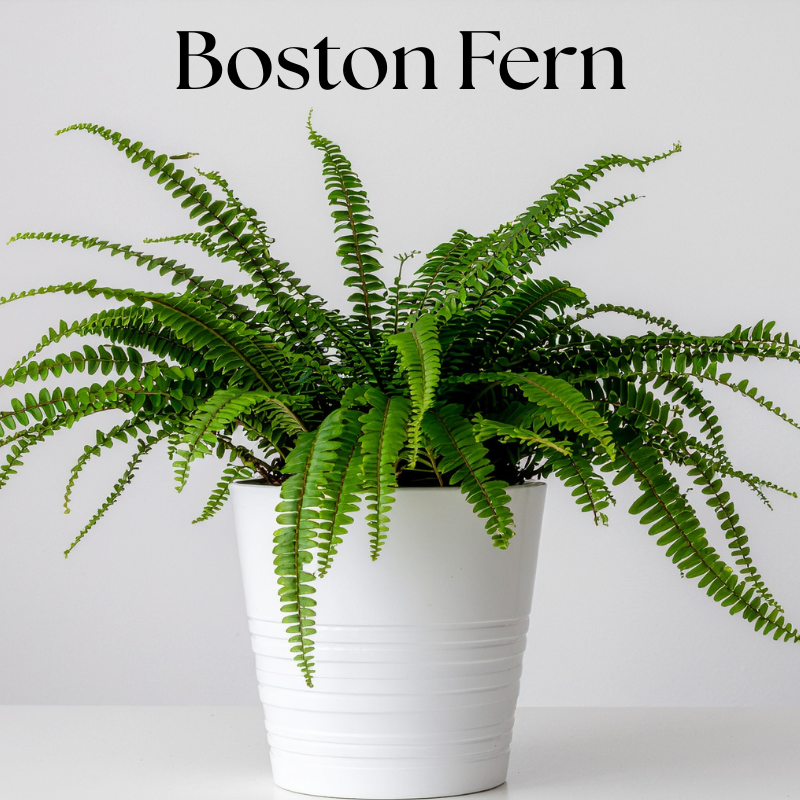
Boston Fern:
Boston ferns have remained popular for generations.
Benefits:
Lush appearance
Soft texture
Excellent hanging plant option
Traditional design appeal
They work beautifully in sunrooms, bathrooms, and bright living spaces.
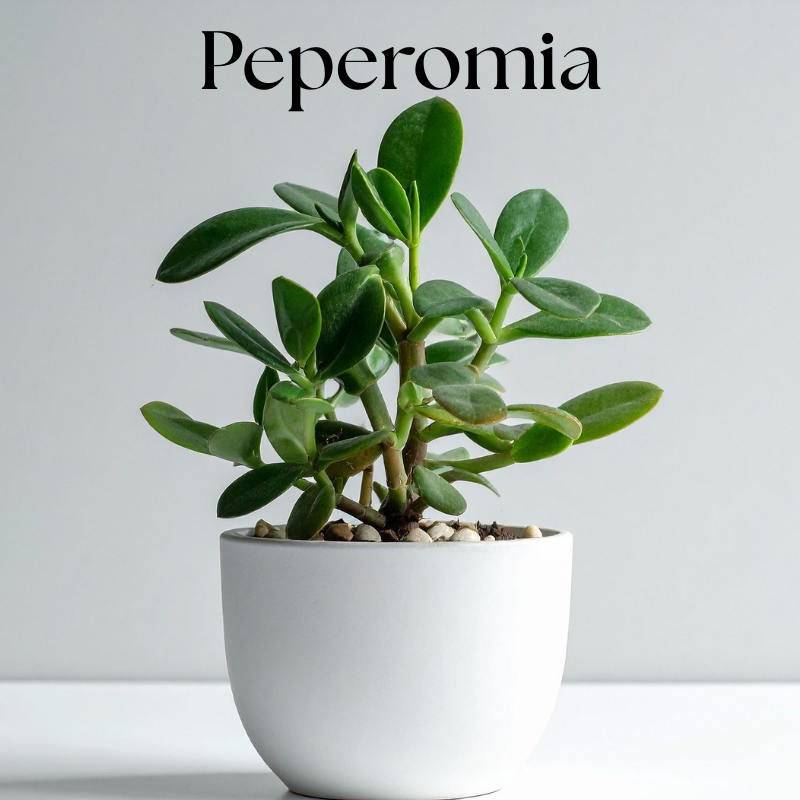
Peperomia:
Peperomia varieties offer tremendous diversity in color, texture, and form.
Advantages:
Compact growth
Easy maintenance
Suitable for smaller homes
Wide design versatility
Many homeowners enjoy collecting multiple varieties.
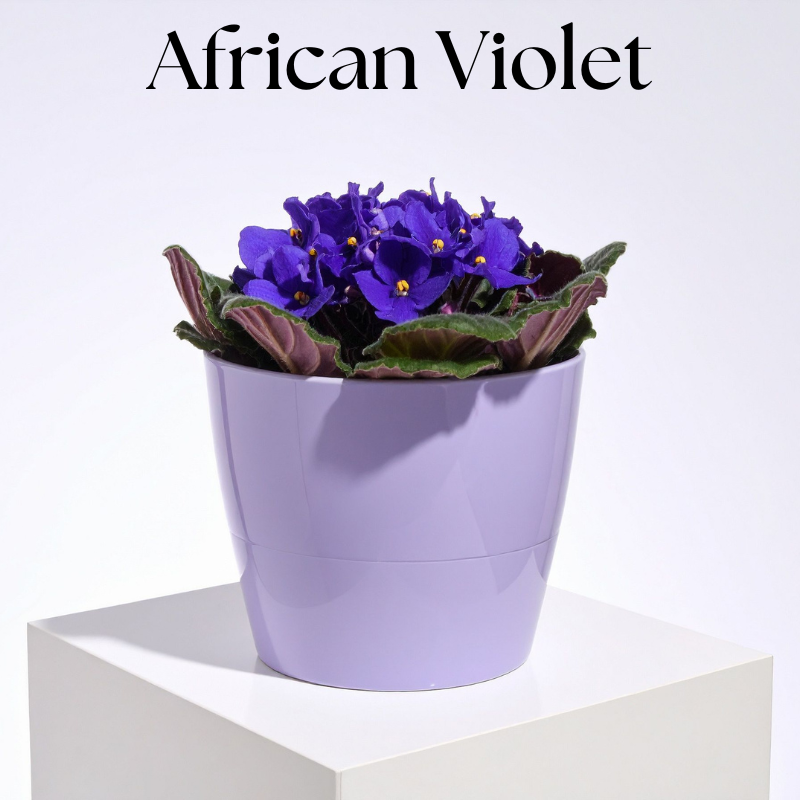
African Violet:
For those who prefer flowering houseplants, African violets are a classic choice.
Highlights include:
Colorful blooms
Compact size
Indoor adaptability
Pet-safe reputation
Their flowers can add a welcome pop of color to neutral interiors.
Styling Pet-Safe Plants in Your Home:
A pet-friendly design strategy doesn't stop with plant selection. Placement also matters.
Use Elevated Displays:
Consider:
Plant stands
Floating shelves
Console tables
Built-in shelving
Elevating plants can help prevent curious pets from disturbing soil or foliage.
Incorporate Hanging Planters:
Hanging planters offer several benefits:
Save floor space
Add visual interest
Keep plants away from playful pets
They work especially well in apartments and smaller homes.
Create Plant Groupings:
Grouping plants can create a more dramatic design statement.
Combine plants with:
Varying heights
Different leaf shapes
Complementary colors
This approach helps create a curated, designer-inspired look.
Common Houseplants to Avoid:
While many houseplants are safe, some popular varieties can be problematic for pets.
Examples often cited as potentially toxic include:
Certain lilies
Pothos
Dieffenbachia
Philodendron
Sago palm
ZZ plant
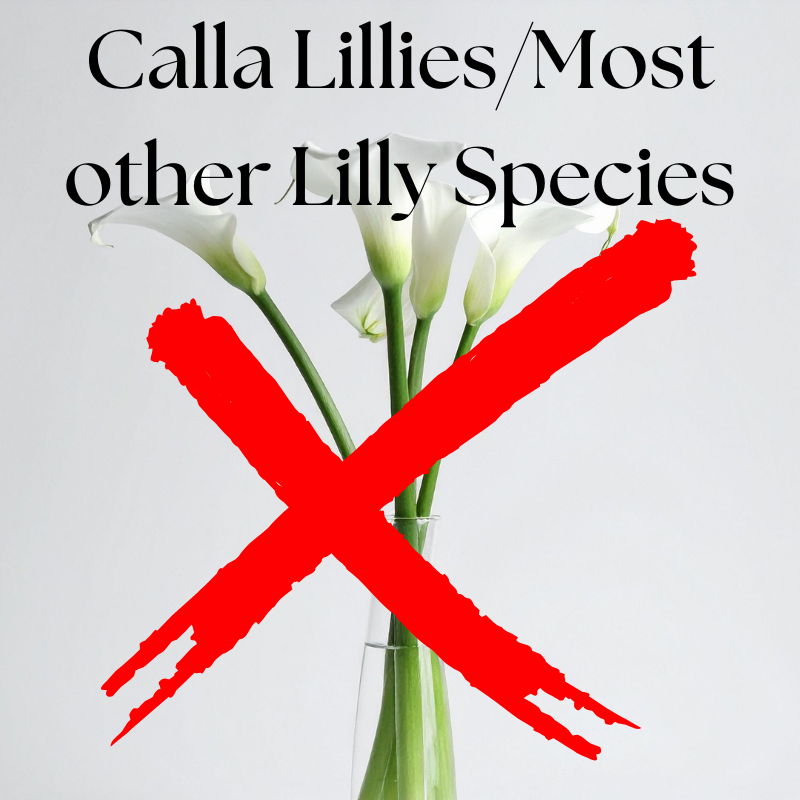
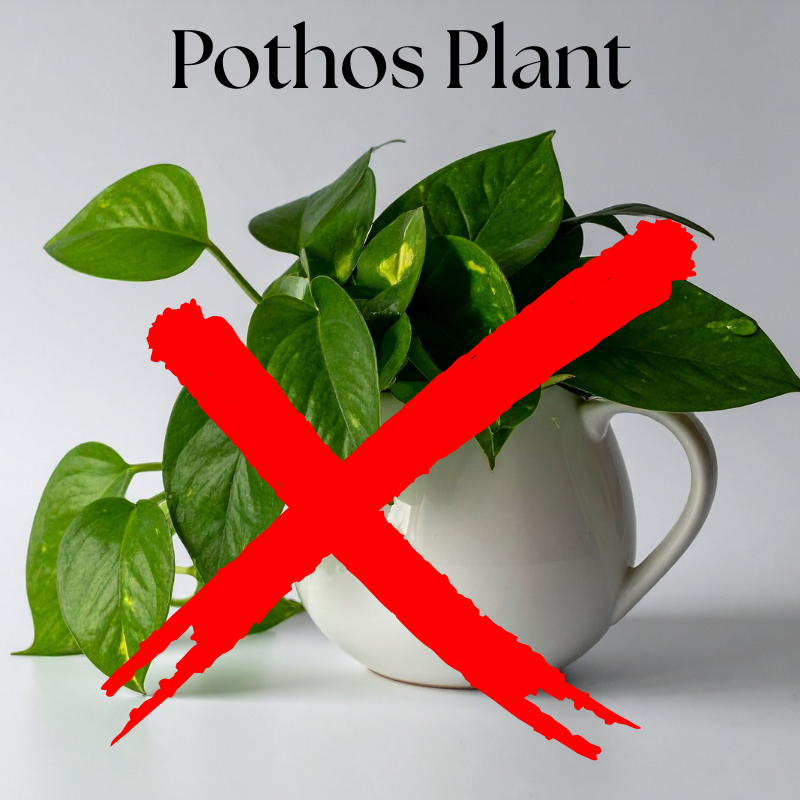
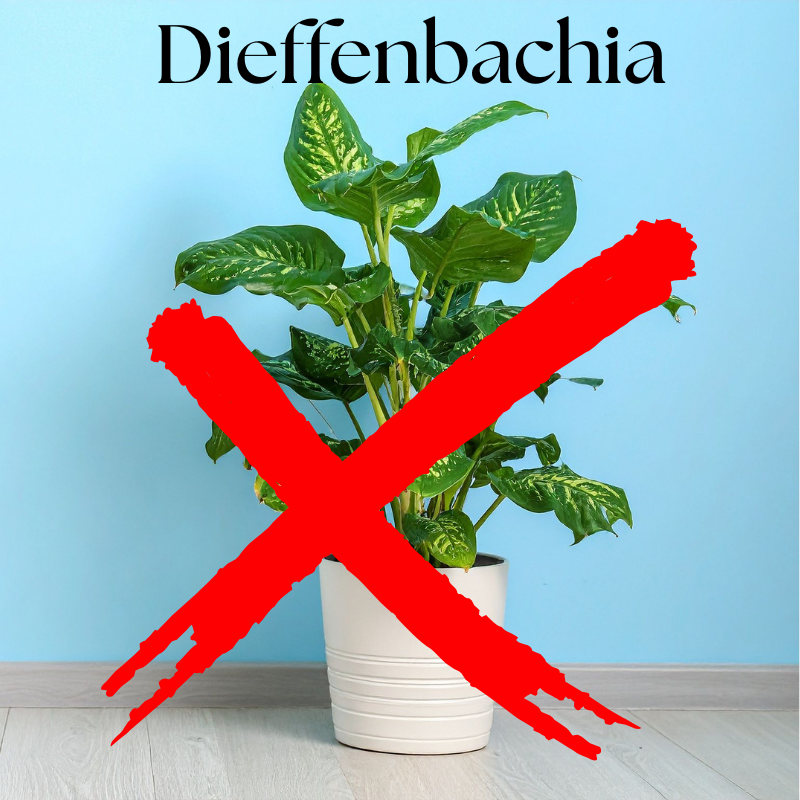
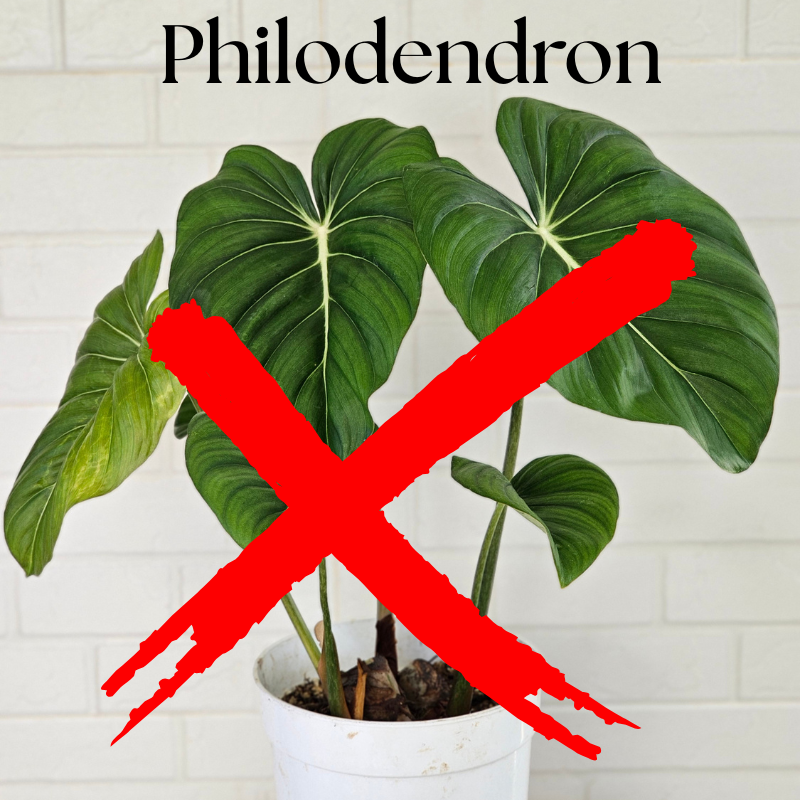
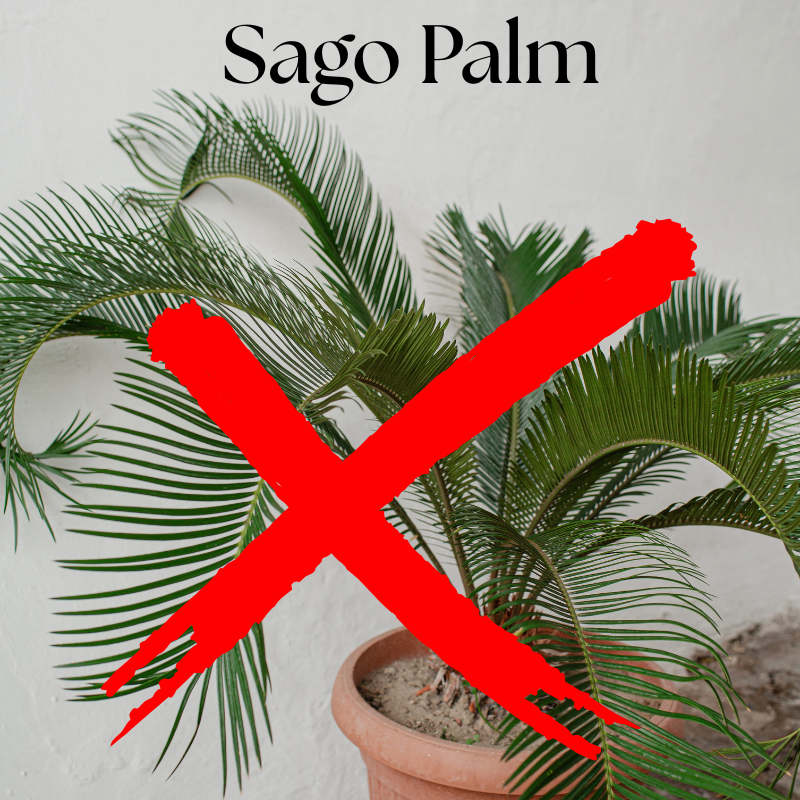
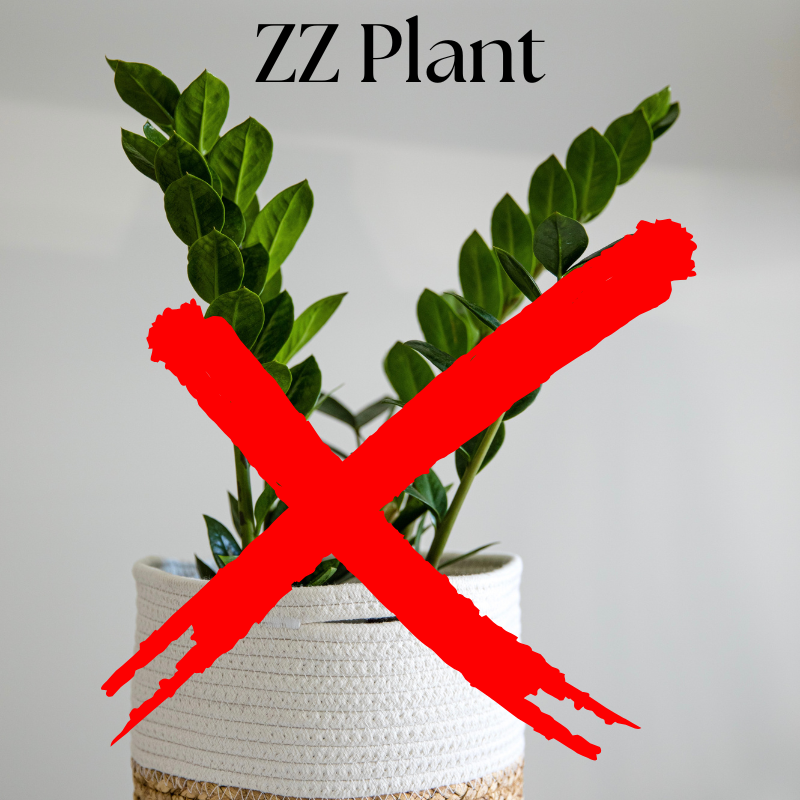
Because plant toxicity information can vary depending on species and circumstances, always verify safety before bringing a new plant into your home.
Protecting Both Plants and Pets:
Even non-toxic plants can become damaged by curious pets.
For Dogs:
Elevated planters
Decorative barriers
Training and redirection
For Cats:
Hanging displays
Wall-mounted shelves
Cat grass stations
Dedicated enrichment areas
Providing alternative enrichment can reduce unwanted plant exploration.
Choose Pet-Friendly Planters
Planters are another important design element.
Look for:
Stable bases
Durable materials
Tip-resistant designs
Heavy ceramic, concrete, and quality composite planters often perform well in pet-friendly households.
Avoid lightweight containers that can be easily knocked over.
Create a Pet-Friendly Indoor Garden
For particularly curious pets, consider creating a dedicated plant area.
Include:
Pet-safe greenery
Cat grass
Decorative containers
Elevated displays
This approach allows you to enjoy indoor gardening while minimizing risks.
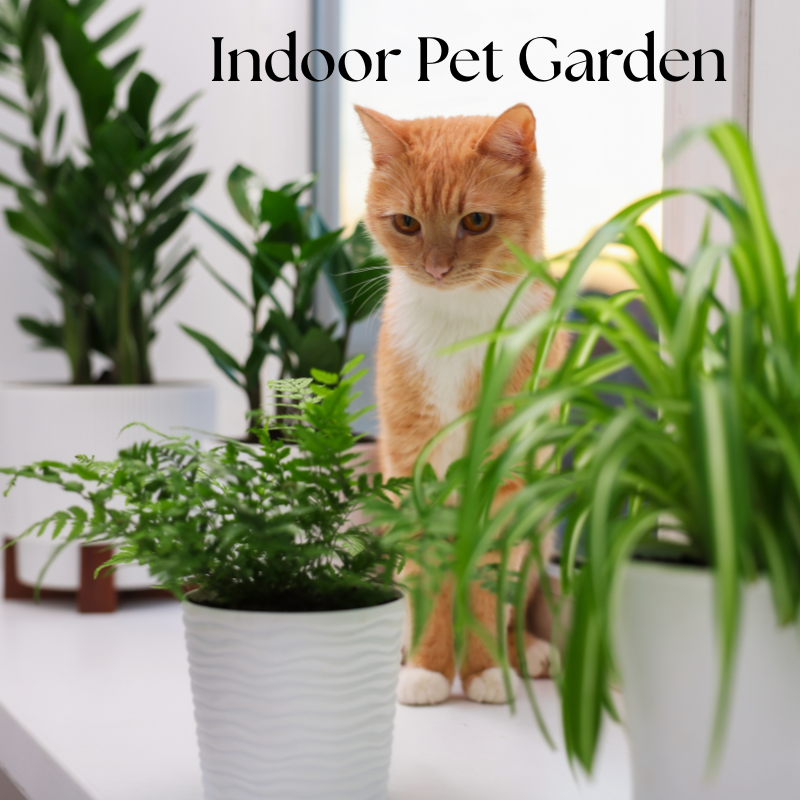
A pet-friendly home doesn't mean giving up houseplants. By selecting non-toxic varieties and thoughtfully incorporating them into your design, you can enjoy a lush, vibrant interior while keeping your pets safe.
The best pet-safe houseplants combine beauty, practicality, and peace of mind. With careful planning, you can create a home that feels fresh, inviting, and filled with greenery—without worrying about your curious canine or feline companions.
